
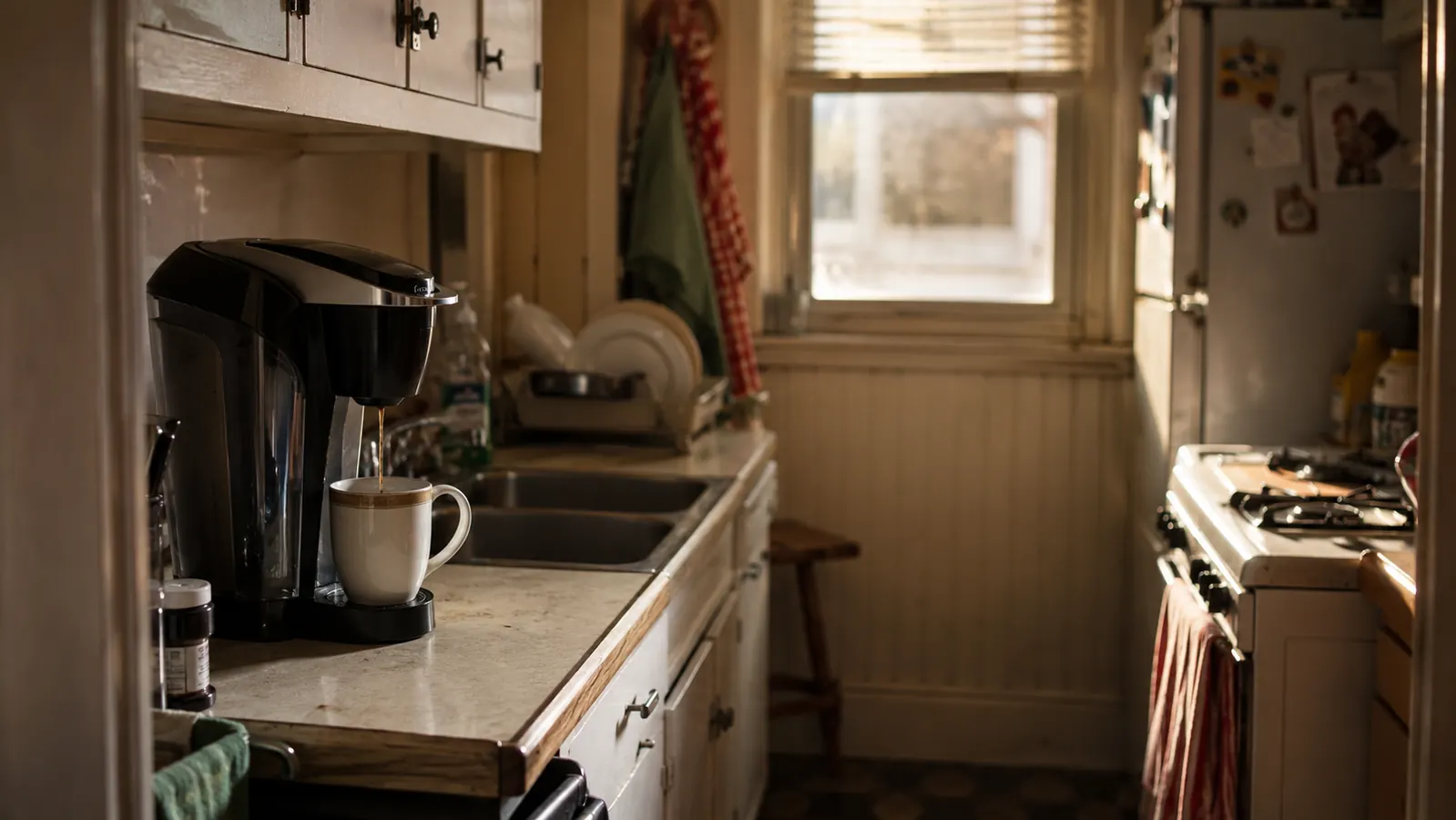
The Keurig K-Classic has sat in the same corner of my twenty-two inches of counter since the last week of January, and it is the one appliance in this kitchen that has never once gone back into the hall closet. Everything else I own gets rotated out after a weekend of heavy use, the food processor, the air fryer, even the good knife block gets shuffled around when company is coming. The Keurig stays plugged in, in the same six inches of space, because I am making coffee before I am doing almost anything else most mornings, and I stopped being willing to dig it out of a cabinet for that.
I bought it to replace a twelve-cup drip pot that was too much coffee for one person most days and not fast enough on the mornings I actually needed to be out the door. Six months in, the K-Classic has brewed somewhere north of four hundred cups by my rough count, one or two a day, sometimes three on a work-from-home day when I am using the 10-ounce setting as a mug refill machine. That is the honest starting point for this review: this is not a first-week impression, this is what the machine looks and sounds and works like after half a year of actual mornings in a small galley kitchen.
The Quick Verdict
A reliable, permanent-fixture coffee maker that earns its counter space, with real tradeoffs in pod cost and brew strength you should know going in.
Amazon Check Today's Price →Tired of choosing between a slow pot and bitter reheated coffee?
The Keurig K-Classic brews a fresh, hot cup in under ninety seconds, no pot to babysit and no carafe going stale on a burner. See today's price and current availability on Amazon.
Amazon Check Today's Price on Amazon →How I've Used It
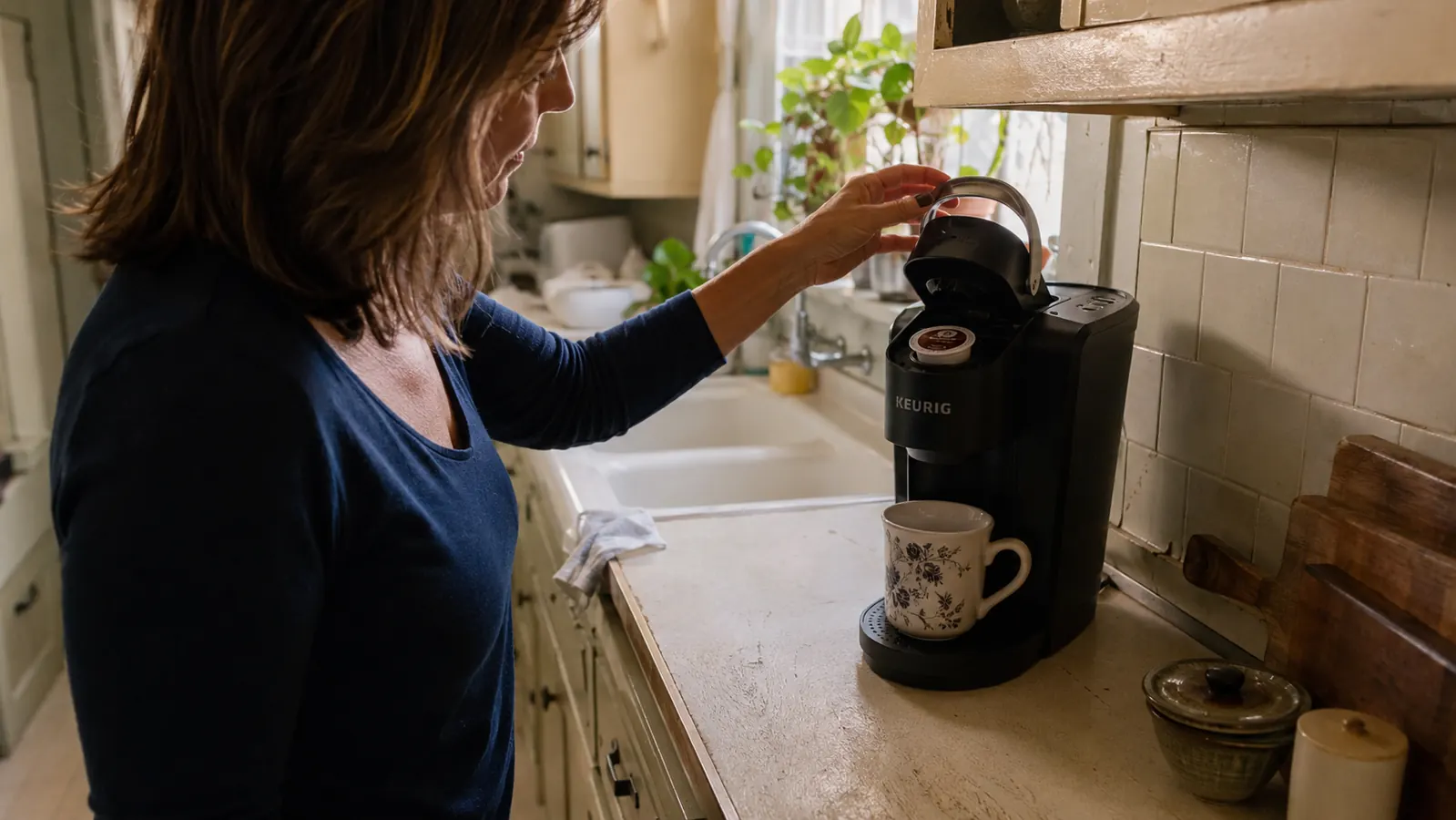
My routine did not change much once I understood the machine, which is the whole point of a single-serve brewer. I fill the 48-ounce reservoir on Sunday night, which usually gets me through four or five days before I need to refill it, and I do not think about it again until the low-water light comes on. Weekday mornings it is a K-Cup and the 8-ounce setting into the same ceramic mug, brewed while I am rinsing dishes from the night before or packing a lunch. On weekends it is closer to a 10-ounce brew because I am drinking it slower and want the extra volume.
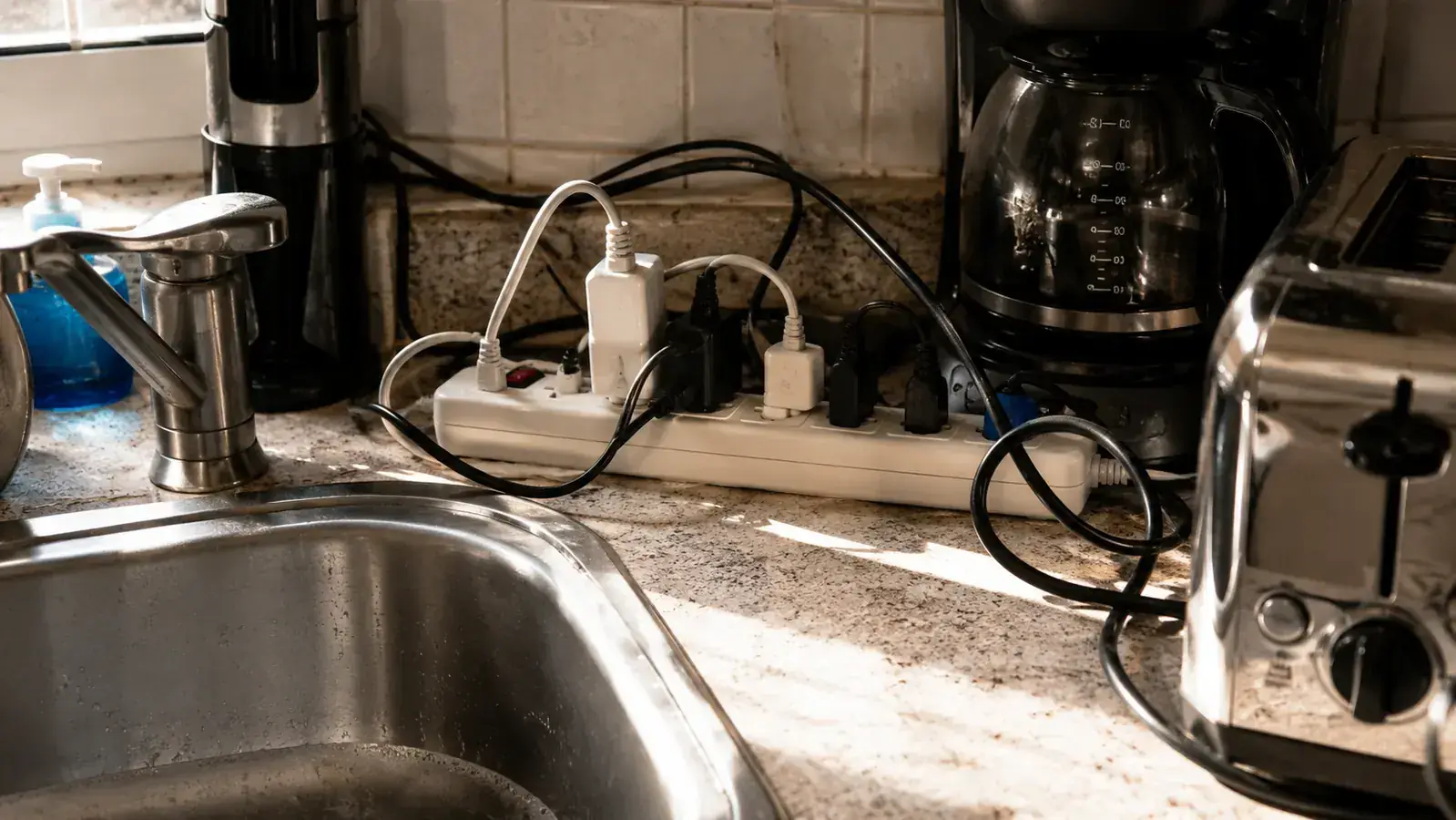
The one outlet cluster beside my sink has to serve the Keurig, the toaster, and whatever I have pulled out that day, and the Keurig is the one that never gets unplugged to make room. That has meant some mornings where I am juggling cords to also run the toaster, and I have learned to just do the toast first and the coffee second, or vice versa, rather than try to run both off that same strip at once. It is a small annoyance that has become part of the routine rather than something I still notice most days.
The comparison against a Nespresso machine comes up a lot when people ask why I picked this one, and the short answer is K-Cup availability. I can grab pods at the regular grocery store, no separate ordering system, no proprietary capsule club. That mattered more to me after month two than it did on day one.
The Reservoir and the Outlet Problem
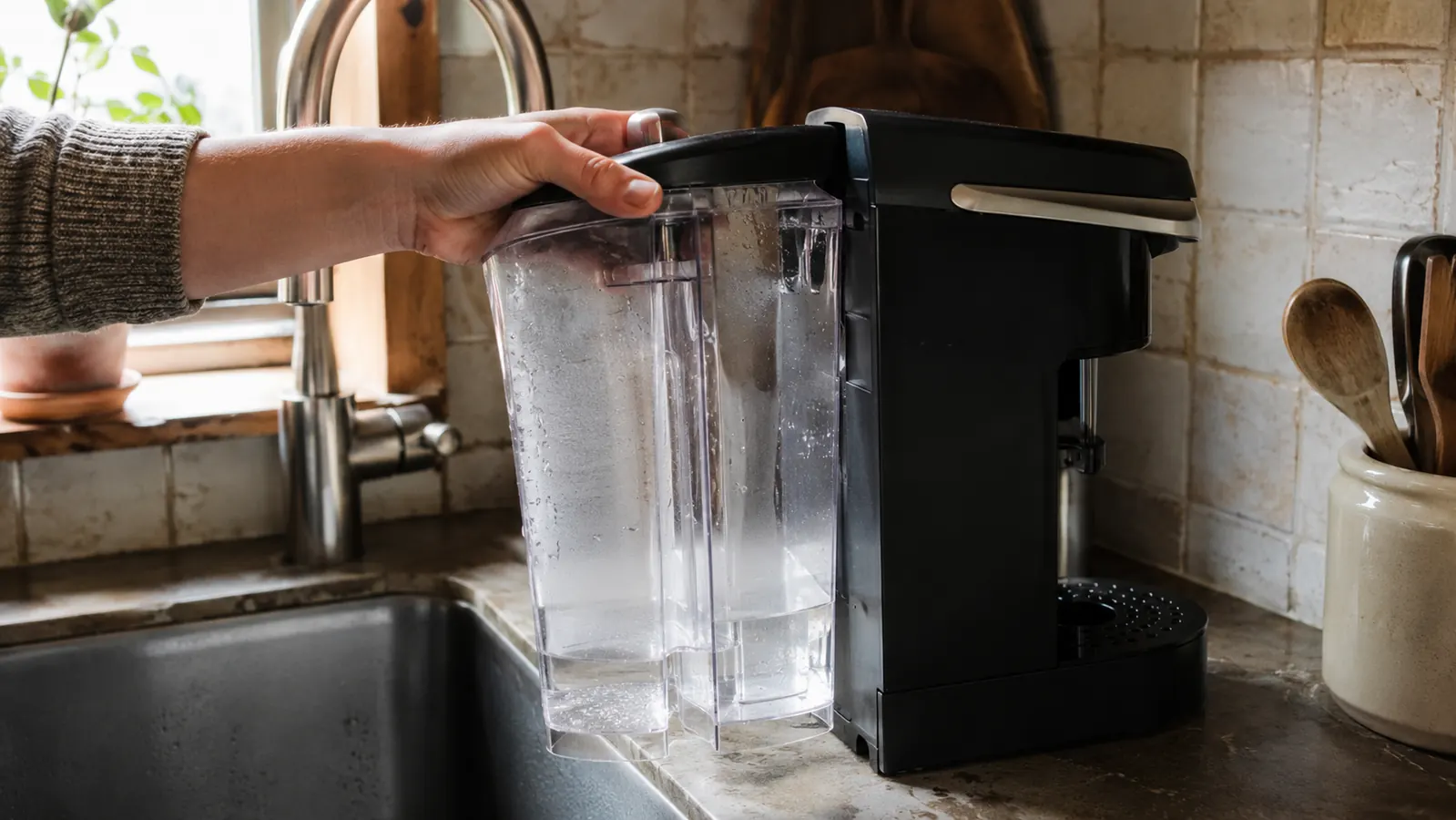
The 48-ounce removable reservoir is genuinely one of the better parts of owning the Keurig long-term. I do not have to refill it every single morning, which matters when the sink is only two steps away but I am already running behind. It lifts off cleanly to rinse, though I will say the underside of the reservoir lid collects a thin film if I go more than a week or two without wiping it down, and that is on me, not the machine.
Footprint is the honest tradeoff. The Keurig K-Classic is not small. It is taller than my old drip pot was and it needs headroom above it to lift the top lid and drop a pod in, which means it cannot slide under my upper cabinets the way my air fryer can. In a kitchen with twenty-two inches of usable counter, giving up a permanent six-inch-wide, roughly foot-deep footprint to one machine is a real decision, not a small one. I made peace with it because I use it daily, but if you are tight on space and coffee is a once-a-day, once-a-week thing, that math looks different.
The power cord is on the shorter side, which is what pushed the Keurig into the outlet cluster in the first place rather than farther down the counter where I originally wanted it. If your outlets are not close to where you want the machine to live, budget for that before you buy rather than after, the way I did.
Brew Sizes and What Actually Comes Out of the Cup
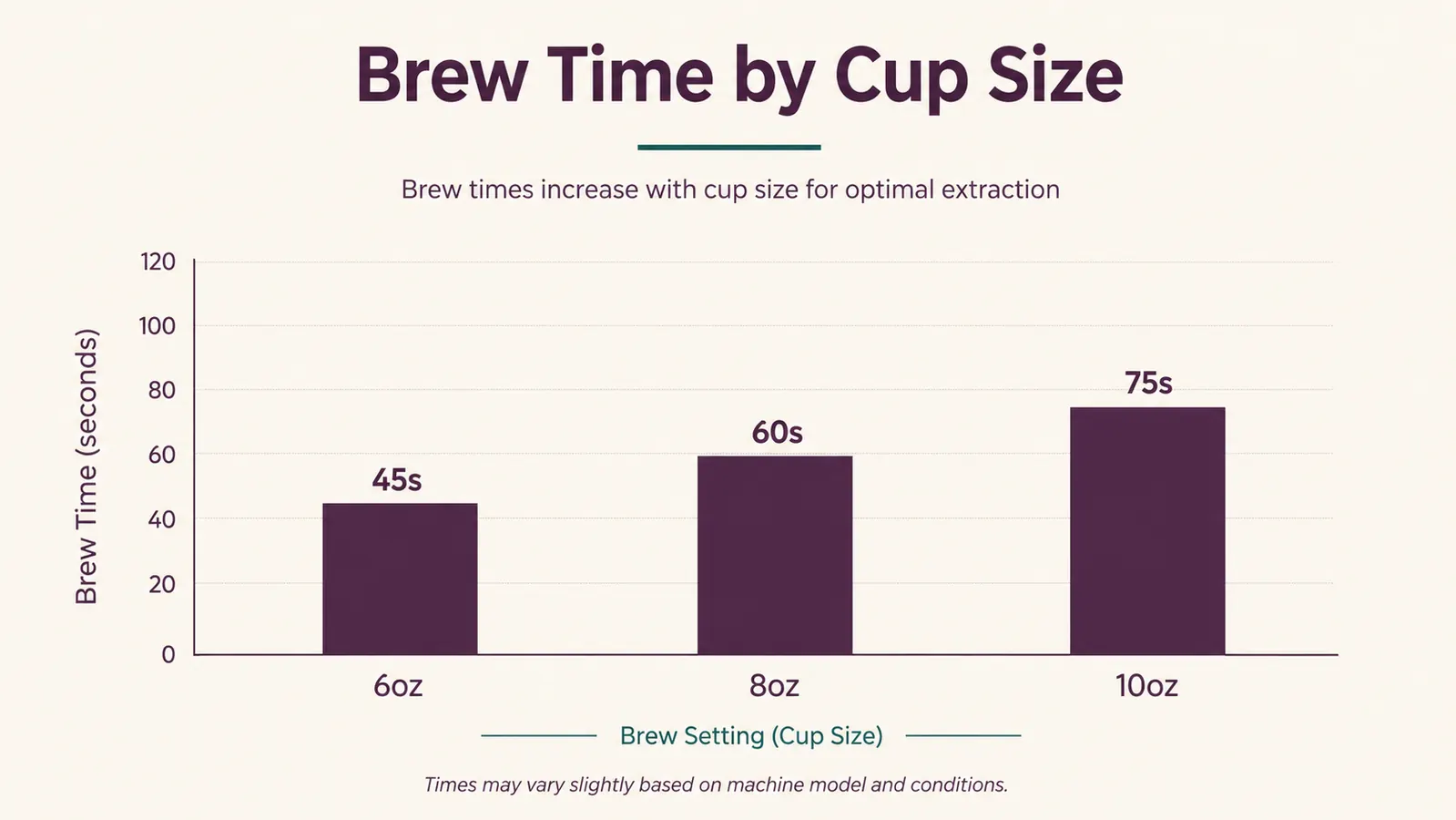
The K-Classic gives you three brew sizes, 6, 8, and 10 ounces, and after six months I use the 8-ounce setting for probably eighty percent of what I brew. The 6-ounce setting makes a genuinely strong, almost espresso-adjacent cup with a bold roast pod, which surprised me the first time I tried it. The 10-ounce setting is where the machine shows its real limit: with a standard-strength K-Cup, a 10-ounce brew tastes noticeably thinner than the same pod at 8 ounces, because you are running more water through the same amount of grounds.
That is the tradeoff nobody explains clearly before you buy a Keurig. A K-Cup holds a fixed amount of coffee, and every ounce of water past what that pod was designed for dilutes the cup rather than strengthening it. I worked around this by keeping a stash of bold or dark roast pods for the 10-ounce brews and saving medium roasts for the 8-ounce cups, and that solved most of my complaints about weak coffee. But it is a workaround, not a feature, and it took me a couple of months of disappointing cups to land on it.
Brew time itself has stayed consistent the entire six months, somewhere between sixty and ninety seconds depending on the size, and I have never once had the Keurig produce a cup that was lukewarm. Temperature has genuinely been a strong point the whole time I have owned it.
Cost Per Cup, and What I Considered Instead
Before I bought the Keurig, I priced out K-Cups against the ground coffee I had been using in the drip pot, and the math was not close. A box of pods works out to somewhere around sixty to seventy cents a cup depending on the brand, where my old ground coffee was landing closer to twenty cents a cup by the pound. Over six months of daily brewing, that difference is real money, and I want to be upfront about it rather than pretend the convenience is free.
I looked hard at a Nespresso machine before landing on the Keurig, mostly because a few friends swore the espresso-style pods tasted better. What kept me on the Keurig side was availability and flexibility, I can buy K-Cups at three different stores within walking distance, in every roast and flavor I would ever want, including decaf for evenings, where the Nespresso pod selection near me was thinner and required ordering online. I go into the full breakdown of brew size, pod cost, and cup quality between the two machines in that side-by-side comparison if you are weighing the same decision I was.
I also tried, briefly, going back to my old drip pot for a week in month three just to see if I had overcorrected. I had not. The Keurig's speed and the fact that I was not throwing out half a pot of stale coffee most afternoons made up for the higher per-cup cost within about six weeks of ownership, at least for how I actually drink coffee. Someone brewing for a full household every morning would run those numbers differently, and I would not tell them the math favors a single-serve machine the way it favors someone drinking alone.
Descaling, Six Months In
I descaled the Keurig once, right around the four-month mark, when the brew cycle started taking noticeably longer and the machine made a louder gurgling sound partway through. I used a store-bought descaling solution, ran it through the cycle the manual describes, and the difference afterward was obvious, faster brews and a quieter cycle again. My tap water is on the harder side, so your mileage may vary, but I would plan on descaling somewhere between three and five months in rather than waiting for the machine to visibly struggle.
The descaling process itself took about forty-five minutes start to finish, most of it the machine running multiple rinse cycles on its own while I did other things in the kitchen. It is not difficult, but it is one more maintenance task added to a machine that otherwise asks very little of you day to day, and it is easy to forget until performance tells you it is overdue.
Where It Earns Its Spot on the Counter
The single biggest reason the Keurig has stayed permanently plugged in through six months is speed on a bad morning. There is no waiting for a full pot to brew when I only want one cup, no wasted coffee going cold in a carafe, no cleanup beyond tossing the pod and rinsing the mug. On the mornings where I am running fifteen minutes behind, that ninety-second brew time is the entire reason I still get coffee at home instead of paying for it on the way to work.
It has also been reliable in the way that matters most for a daily-use appliance: it has not broken, jammed, or needed a repair in six months of near-daily brewing. The needle that punctures the pod has stayed sharp enough that I have not had a single failed brew where the machine ran water through without actually piercing the K-Cup, which I have heard happens on some single-serve machines after heavy use.
What I Liked
- Brews in under ninety seconds with genuinely hot, consistent output every time
- 48-ounce reservoir means refilling every few days instead of every morning
- K-Cups are sold everywhere, no proprietary pod ecosystem to get locked into
- Zero mechanical issues across six months of daily use
Where It Falls Short
- Larger footprint than a drip pot, it cannot share counter space easily
- 10-ounce brews taste noticeably weaker than 8-ounce with the same pod
- Needs descaling by the four-month mark if your water is hard
- Cost per cup adds up faster than ground coffee if you brew daily
It is the one machine in my kitchen that never gets put away, and after six months I have made peace with what that costs me in counter space.
Who This Is For
If you are one or two people who drink coffee daily and value speed over ceremony, the Keurig K-Classic earns its permanent spot the way it earned mine. It is also a good fit if your household drinks different strengths or flavors, since everyone brews their own pod instead of fighting over a shared pot. For a faster morning without changing your whole routine, the ten reasons it actually simplifies busy mornings covers the specific time savings in more detail.
Who Should Skip It
If you already know you prefer strong, dark coffee and drink it in large mugs, the dilution issue at the 10-ounce setting is going to bother you more than it bothered me, and you should factor that into the decision before you buy. It is also not the right choice if counter space is your tightest constraint and coffee is only an occasional habit rather than a daily one. A machine that lives permanently on twenty-two inches of counter needs to earn that real estate every single day, and if it would not, a pour-over or a small drip pot you can put away is the more honest fit.
Six months of daily coffee, and it still earns its place on the counter.
If a faster, more reliable morning routine is worth the space, check the Keurig K-Classic's current price and availability on Amazon.
Amazon Check Today's Price on Amazon →